
The Ancient Medicine of Moving Your Body: Why Dance Heals
Here is something I wish more people said out loud: You were born knowing how to dance. You did not need a class. You did not need confidence. You certainly did not need rhythm. Your body already knew how to sway, bounce, wiggle, and express whatever it was feeling. Movement is one of our first languages, and in Traditional Chinese Medicine, it is one of the oldest and most reliable healing tools we have.
We forget that because modern culture treats dance like a performance. You watch professionals. You follow choreography. You judge yourself from the outside instead of noticing how your inner landscape shifts when you simply move. But if you zoom out and look at human history, dance has never been about perfection. It has always been about connection.
A Brief but Wide Look at Dance Through Human History
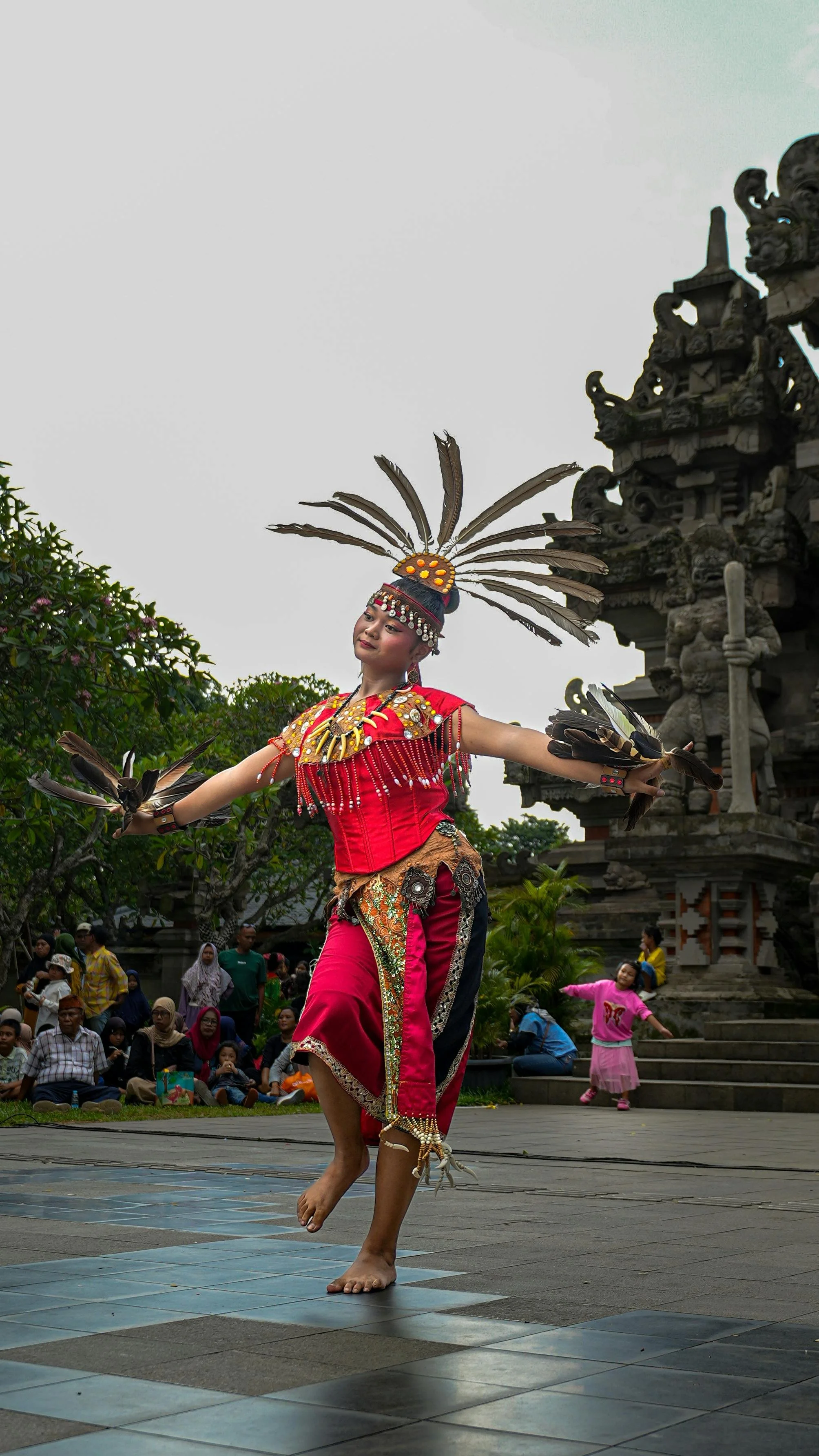
If you look across cultures, eras, and continents, dance shows up every time humans need support, meaning, or healing.
During the Zhou dynasty in China, dance was woven into daily life at the imperial court. It was a language of the body that helped people express everything from joy and celebration to grief and remembrance. This was also the time when the very first written dance notation appeared. They carefully recorded movement on paper so the emotion and artistry of those court dances could live on long after the moment passed.
Across the African continent, communal dance has carried entire communities through grief, celebration, birth, harvest, and storytelling. Rhythm regulates the nervous system. Moving in unison strengthens resilience. The body remembers that it belongs to something larger than itself.
In Indigenous cultures across the Americas, dance was inseparable from ceremony. People danced to mark seasons, transitions, rites of passage, and cosmic relationships. Dance was prayer. Dance was communication. Dance was a way to keep the body and the land in dialogue.
Even in modern life, where everything is branded and packaged, dance refuses to disappear. We still move on wedding floors. We still sway in our kitchens. We still lose ourselves at concerts. We still jump into TikTok trends. Whether we mean to or not, we return to movement whenever we are trying to feel something real.
Different cultures. Different reasons. Different ways of moving. One universal truth. Human beings heal through rhythm.
What Dance Looks Like Through the Lens of TCM
Traditional Chinese Medicine does not separate the body from the emotions or the spirit. When you move, all three shift together.
Qi begins to move again - Any kind of dance, even the awkward kind that happens in your socks, wakes up the Liver and releases stagnation. Stress softens. Mood lifts. Your jaw unclenches. You begin to feel more like yourself.
The Heart gets a chance to express the Shen - The Heart houses your Shen, which includes your spirit, clarity, creativity, and ability to feel joy. When you dance, the Shen expands and reorganizes. This is why a five-minute dance break can feel clearer than a forty-minute meditation.
The Spleen feels supported - The Spleen loves rhythm, steadiness, and grounded movement. Gentle swaying, slow stepping, or circle dancing regulates digestion, reduces overthinking, and creates a sense of being held rather than scattered.
The Kidneys gain confidence and courage - The Kidney system governs your deepest reserves. When you choose to move with intention, especially when it feels vulnerable or silly, the Kidneys gain strength. Think of it as adding one more log to your inner fire.How Acupuncture Supports Qi
Your Body Already Knows What to Do
You do not need flexibility. You do not need choreography. You do not need to look good or even feel good. You only need to allow your body to speak its own language again.
Try this simple experiment:
Play a song you loved years ago. Close your eyes. Let your shoulders move first. Then follow whatever part of you wants to join. Let the movement be small or strange or relaxing. Do not judge it. Just notice what softens.
Your ancestors did this. Every culture did this. Your nervous system still remembers how to release through movement.
A Gentle Invitation
This week, give yourself one song. Five minutes. No rules. No pressure. Let yourself move exactly the way your body wants to move.
If anything feels stuck or painful, acupuncture pairs beautifully with the emotional and physical openings that dance brings to the surface. I am always here to help your system unwind with a little more support.